Grand County Dog Registration Information
Service Dogs and Emotional Support Animals in Grand, Utah
If you’re asking where do I register my dog in Grand County, Utah for my service dog or emotional support dog, the most important thing to know is this: service dogs and emotional support animals (ESAs) generally do not have a special “registration” through the government—but dogs still may need a local license.
In practice, most “registration” people mean is getting a dog license in Grand County, Utah (often connected to rabies vaccination and local animal control rules). Because licensing is commonly handled at the city or county level, where you register depends on whether you live inside Moab city limits, in Castle Valley, or elsewhere in Grand County.
- Dog license = a local government license/tag for your dog (often tied to rabies proof and local ordinances).
- Service dog = a dog individually trained to do work/tasks for a person with a disability (federal ADA status; not a county “registration”).
- Emotional support animal (ESA) = an animal that provides support related to a disability for housing purposes; it is not a service dog and does not have the same public-access rights.
Where to Register or License Your Dog in Grand County, Utah
Licensing and animal control enforcement are commonly handled locally. Below are example official offices within Grand County, Utah that residents typically contact for questions about an animal control dog license Grand County, Utah, local pet tags, and enforcement.
Moab City Animal Shelter (City licensing & shelter services)
| Office name | Moab City Animal Shelter |
|---|---|
| Street address | 956 Sand Flats Road |
| City / State / ZIP | Moab, UT 84532 |
| Phone | 435-259-0199 |
| Office hours | Mon–Thu: 10:00 a.m.–12:00 p.m. and 1:00 p.m.–3:00 p.m.; Fri: 10:00 a.m.–12:00 p.m. |
| Not listed in the official office details found for this location. |
Notes: Moab’s official guidance indicates city licenses may be purchased at the Moab Animal Shelter, and pets must have a current rabies tag and current city or county license when off your property.
Moab City Police Department (Animal Control / Dispatch)
| Office name | Moab City Police Department (Animal Control requests via Dispatch) |
|---|---|
| Street address | Not listed in the official animal control dispatch listing referenced. |
| City / State / ZIP | Moab, UT 84532 |
| Phone | 435-259-4321 (Dispatch) |
| Not listed. | |
| Office hours | Not listed for dispatch line. |
Notes: Dispatch is typically used to request an animal control officer or report animal control problems.
Grand County Sheriff’s Office (County law enforcement contact)
| Office name | Grand County Sheriff’s Office |
|---|---|
| Street address | 25 S. 100 E. |
| City / State / ZIP | Moab, UT 84532 |
| Phone | 435-259-8115 |
| Office hours | Administration: Mon–Fri, 8:00 a.m.–5:00 p.m. |
| Not listed as a direct email for licensing; official page provides “Email” and a contact form. |
Notes: Depending on where you live, enforcement and animal-related complaints may involve county law enforcement or city animal control.
Grand County Clerk / Auditor (County government office)
| Office name | Grand County Clerk / Auditor |
|---|---|
| Street address | 125 E. Center St. |
| City / State / ZIP | Moab, UT 84532 |
| Phone | 435-259-1321 |
| Office hours | Mon–Fri, 8:00 a.m.–5:00 p.m. |
| Not listed on the official department page content used here. |
Notes: This office is a general county office; for dog licensing, residents typically start with the animal shelter/animal control or the “licensing authority” described in county code.
Town of Castle Valley (Town Clerk contact)
| Office name | Town of Castle Valley (Town Clerk) |
|---|---|
| Street address | Not listed in the official public notice contact listing referenced. |
| City / State / ZIP | Not listed. |
| Phone | 435-259-9828 |
| townclerk@castlevalleyutah.com | |
| Office hours | Not listed. |
Notes: If you live in Castle Valley, your town office may direct you to the correct local licensing path (town vs. county vs. Moab).
Overview of Dog Licensing in Grand County, Utah
What a “dog license” is (and why it matters)
A dog license is a local registration record and tag system that helps animal control identify your dog and confirm key compliance items (especially rabies vaccination). When someone searches for where to register a dog in Grand County, Utah, they are usually looking for the correct city or county office to issue the license/tag.
Grand County code requires licensing for many dogs
Grand County’s animal code includes licensing rules for dogs over a certain age, and it describes common application items such as a current rabies certificate and (when applicable) spay/neuter documentation. Licenses are generally issued for a one-year period and the licensing system includes an identifying tag meant to be worn when the dog is off the owner’s premises.
Moab has its own pet tag and licensing process
Within Moab, official city guidance states pets must have a current rabies tag and a current city or county license, and that city licenses may be purchased at the Moab Animal Shelter. That makes the shelter a common starting point for residents asking about a dog license in Grand County, Utah—especially if they live within Moab city limits.
How Dog Licensing Works Locally in Grand County, Utah
Step 1: Identify your jurisdiction (Moab vs. unincorporated Grand County vs. other towns)
The most common reason people get stuck is assuming there’s a single countywide registration office. In reality, licensing is often handled locally. Start by confirming whether your physical address is:
- Inside Moab city limits (Moab city licensing may apply, and the Moab Animal Shelter is a point of sale for city licenses).
- In another incorporated area (for example, Castle Valley; your town office may direct you).
- In unincorporated Grand County (county rules apply and the county’s “licensing authority” referenced in county code is the key contact path).
Step 2: Make sure rabies vaccination is current and documented
Licensing commonly requires a rabies certificate or proof of vaccination. Moab’s official pet-tag guidance also emphasizes maintaining a current rabies tag. If your dog is newly acquired, recently moved into the area, or has an expired vaccine, handle vaccination first so your licensing application is not delayed.
Step 3: Bring documents and pay the applicable fee
Local licensing typically involves completing an application (or in-person purchase) and paying a fee. Fee structures vary by jurisdiction and may differ by spay/neuter status. Some jurisdictions offer reduced fees for altered pets, and county code may include special fee rules for certain working dogs.
Step 4: Keep the tag on the dog when off your property
A license tag and/or rabies tag is meant to be worn when your dog is out in the community. This can matter during lost-dog situations, nuisance complaints, or after an animal control pickup. Keeping tags current and visible is a simple way to avoid citations and speed up reunification if your dog gets loose.
Service Dog Laws in Grand County, Utah
Service dog status is legal training status, not a local “registration”
Under federal ADA rules, a service animal is a dog that is individually trained to do work or perform tasks for a person with a disability. This is why there is no universal government “service dog registration” you must complete to have a legitimate service dog.
What businesses and public offices can (and can’t) require
In most public-access settings covered by the ADA, staff generally cannot require:
- special identification cards for the dog,
- proof of training documentation, or
- medical documentation about the handler’s disability.
Instead, the common ADA approach focuses on behavior standards (the dog must be under control and housebroken) and allows only limited questions in many contexts.
Important: A service dog may still need a local dog license
Even though service dogs are not “registered” as service animals through the county, they may still be subject to standard local pet rules like rabies vaccination, leash/restraint requirements, and obtaining a dog license in Grand County, Utah where applicable. In other words: a local dog license helps with animal control compliance; it does not create (or prove) service dog status.
Emotional Support Animal Rules in Grand County, Utah
ESAs are not service dogs for public access
Emotional support animals can be part of a treatment plan and can help reduce symptoms related to a disability, but they are not considered service animals under the ADA because they are not individually trained to perform a specific task. That means an ESA generally does not have a legal right to go into non-pet-friendly businesses just because the animal provides comfort.
Where ESAs most commonly apply: housing accommodations
ESAs are most often handled through housing processes, where a person may request a reasonable accommodation for an assistance animal. In those situations, housing providers may request reliable documentation when the disability and need for the animal are not obvious.
An ESA may still need local licensing and rabies compliance
Having an ESA letter does not replace local animal requirements. If your dog is an ESA (or a pet, or a service dog), you should still plan to meet local rules such as rabies vaccination and any applicable animal control dog license Grand County, Utah requirements.
Frequently Asked Questions
If you still feel unsure about where to register a dog in Grand County, Utah, focus on one practical question: Which local jurisdiction issues the license for my address? Start with the Moab City Animal Shelter if you’re in Moab, or contact your town office (such as Castle Valley) or county offices for direction.
What You May Need
- rabies vaccination proof
- identification
- proof of residency
- licensing fee
Helpful reminder
A local license is about compliance and identification. It does not turn a dog into a service dog or ESA, and it does not replace training/behavior expectations in public spaces.
Register A Dog In Other Utah Counties
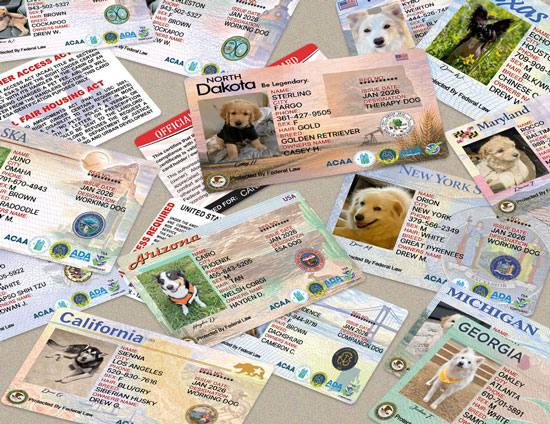
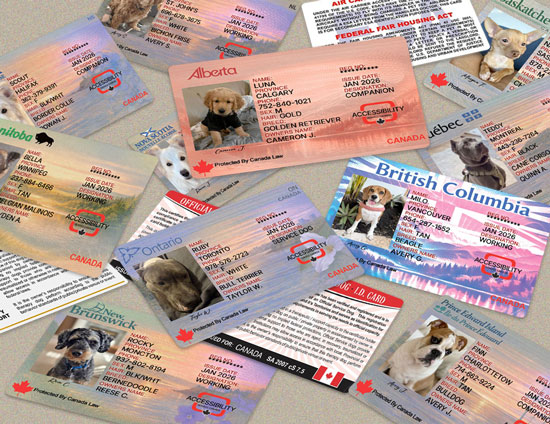
Select your county below to get started with your dog’s ID card. Requirements and license designs may vary by county, so choose your location to see the correct options and complete your pup’s registration.
- Beaver County Dog Registration
- Box Elder County Dog Registration
- Cache County Dog Registration
- Carbon County Dog Registration
- Daggett County Dog Registration
- Davis County Dog Registration
- Duchesne County Dog Registration
- Emery County Dog Registration
- Garfield County Dog Registration
- Iron County Dog Registration
- Juab County Dog Registration
- Kane County Dog Registration
- Millard County Dog Registration
- Morgan County Dog Registration
- Piute County Dog Registration
- Rich County Dog Registration
- Salt Lake County Dog Registration
- San Juan County Dog Registration
- Sanpete County Dog Registration
- Sevier County Dog Registration
- Summit County Dog Registration
- Tooele County Dog Registration
- Uintah County Dog Registration
- Utah County Dog Registration
- Wasatch County Dog Registration
- Washington County Dog Registration
- Wayne County Dog Registration
- Weber County Dog Registration